Building wheels with Berd polyethylene spokes
Berd spokes had their moment of glory when Tom Pidcock and Pauline Ferrand-Prevot won Olympic gold with them in Paris in 2024. But that was not the only reason we wanted to try this technological gem. In addition to their unbeatable weight and distinctive appearance, we were keen to try a completely different manufacturing process that we could offer to our customers.
Who are Berd spokes suitable for
Compared with the lightest metal DT Swiss Aerolite spokes, they save up to 120 g on road bikes and 140 g on MTB bikes—a saving that is difficult to achieve elsewhere, especially with a component as often overlooked as spokes.
However, due to their round cross-section and “hairy” surface, you should expect higher aerodynamic drag. For this reason, these spokes are primarily intended for MTB use.
Building procedure
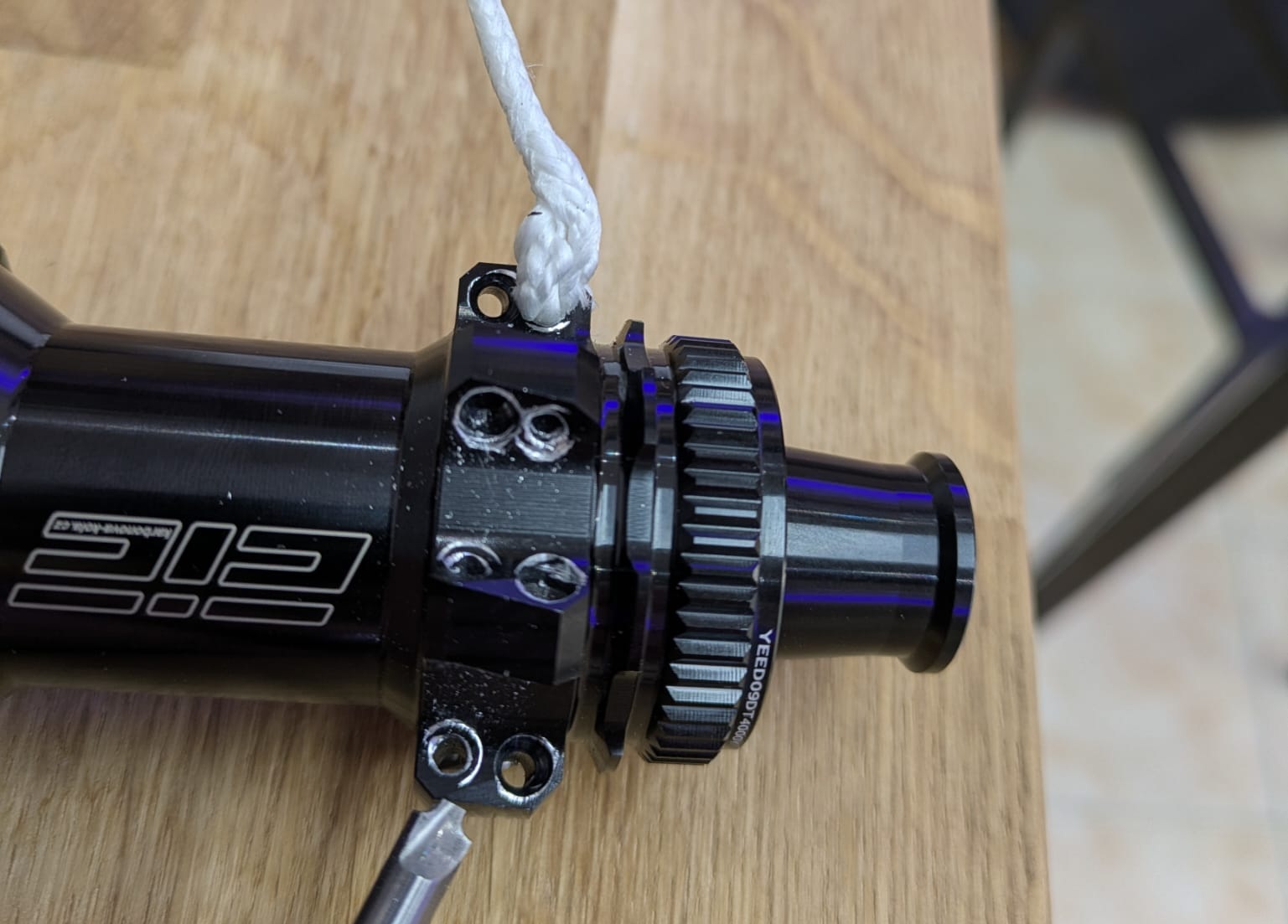
1 – First, the hub must be prepared. Unlike metal spokes, Berd spokes can be damaged by sharp edges on the hub. For J-bend (classic) hubs, both sides of the holes in the flange must be ground smooth. With Straightpull hubs, contact with the edge of the hole is less likely, but the edges must still be smoothed, especially because of the spoke-threading procedure described below.
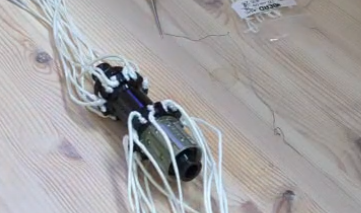 2 – We thread the spoke using 0.5 mm binding
wire. You can use the wire from the Berd build kit, but any strong non-original
wire will work. Pass the wire through the hole in the hub and back again, then
catch the spoke loop. The spoke must be pulled through with considerable force,
which is where smoothing the hub edges proves essential, as otherwise they could
damage the spoke.
2 – We thread the spoke using 0.5 mm binding
wire. You can use the wire from the Berd build kit, but any strong non-original
wire will work. Pass the wire through the hole in the hub and back again, then
catch the spoke loop. The spoke must be pulled through with considerable force,
which is where smoothing the hub edges proves essential, as otherwise they could
damage the spoke.
3 – Hold the threaded spoke in place with the awl from the Berd kit, or any other pointed tool, and thread the Berd holding rod through it. These short rods are strong enough and have a textured surface that prevents the spoke from slipping and being pulled back through the flange hole. Secure the spoke by pulling firmly from the other side so that it rests against the stop on the holding rod.
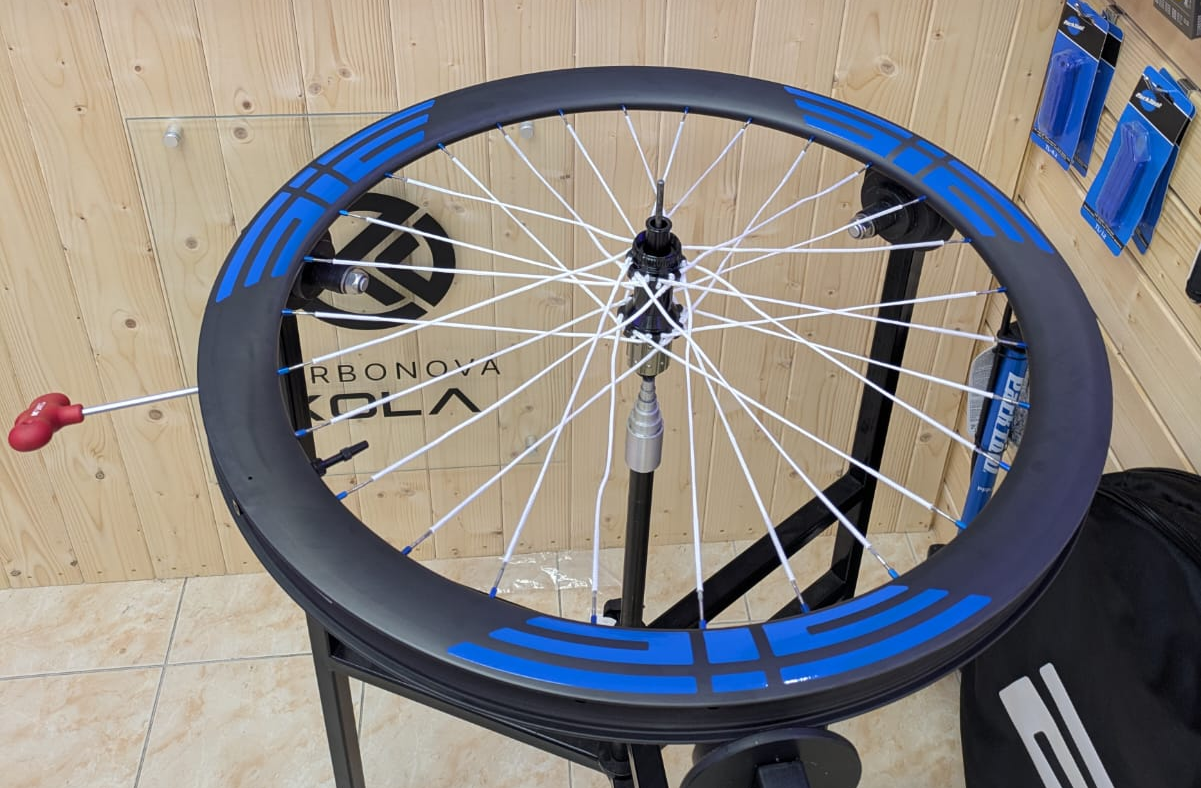 4 – Continue as you would when building a wheel
with metal spokes. However, Straightpull hubs do not guide the spoke in this
case, so the prescribed number of crossings must be observed in order to ensure
the expected spoke exit direction and prevent friction against the edge of the
hole. Use 2 crossings for road hubs and 3 for MTB hubs.
4 – Continue as you would when building a wheel
with metal spokes. However, Straightpull hubs do not guide the spoke in this
case, so the prescribed number of crossings must be observed in order to ensure
the expected spoke exit direction and prevent friction against the edge of the
hole. Use 2 crossings for road hubs and 3 for MTB hubs.
5 – Tensioning takes place over several days, gradually increasing the spoke tension as the spoke settles. This process is therefore significantly longer than with metal spokes and should not be rushed unless you have a stress-relieving press that can accelerate it. For the recommended tension values, follow the manufacturer's instructions.
https://berdspokes.com/…lation-guide
Coloring the spokes
White polyethylene spokes can be colored with alcohol-based paints. Any permanent marker, brush-applied alcohol paint or official Berd alcohol paint will work. The spokes absorb the paint, so you can allow the color to bleed and create a gradient effect.
Conclusion
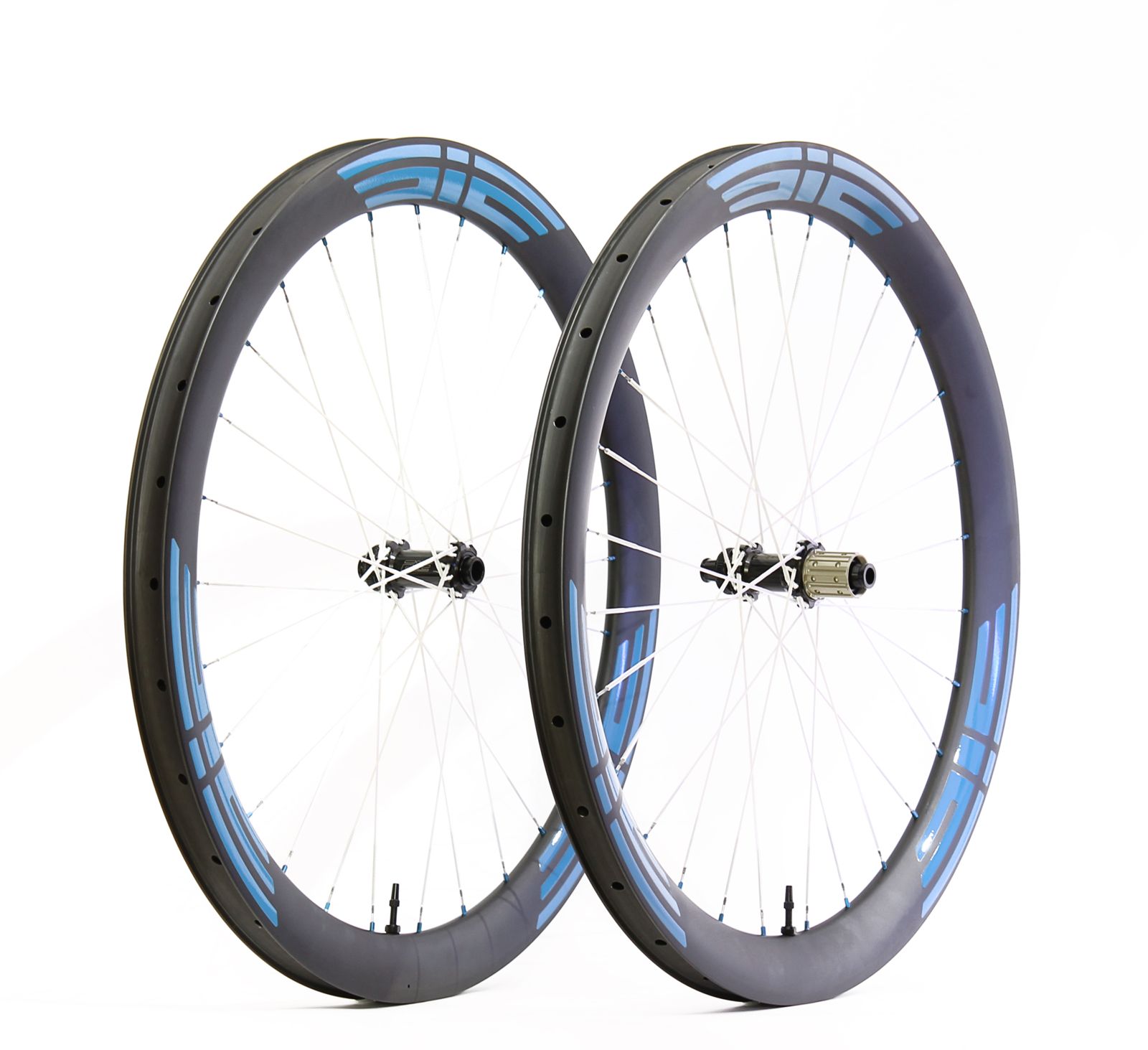
Berd spokes are a real visual eye-catcher that immediately draws attention, while also offering exceptionally low weight. Their performance characteristics come at the cost of more expensive spokes and a more complex manufacturing process. They are a premium choice for visually striking wheels with a distinctive character.